
You turn on your LED strip lights1 at night for a cozy feel. You hope they help you relax and fall asleep. Yet you wake up tired with a headache. Many people experience this every night.
No, it is not OK to sleep with standard LED strip lights1 on. Cool white or bright strips emit blue light2 that suppresses melatonin3, disrupts your sleep cycle4, and causes morning fatigue5 and eye strain6. Warm white or amber options7 are much safer.
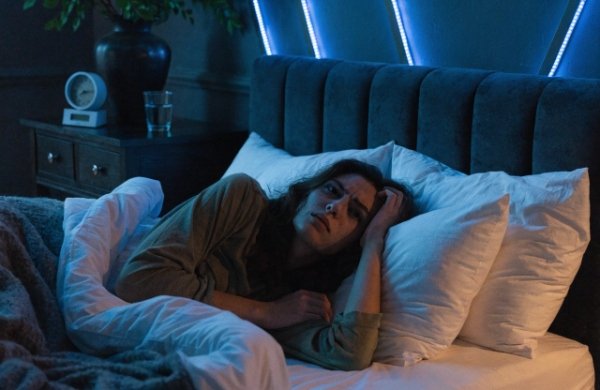 Person lying in bed with glowing [LED strip lights](https://bettersleep.org/blog/the-negative-effects-of-using-led-and-blue-lights-at-night/)1
I talk with many buyers who love the look of LED strips but worry about their family’s sleep. One client from Greece told me his kids had trouble falling asleep and felt groggy in the morning. After we switched them to warmer tones, the complaints stopped. Let me share what science says in 2026 and how you can fix this for better rest.
Why Sleeping with LED Strip Lights On Is Quietly Ruining Your Sleep and Health?
You enjoy the soft glow of LED strips in your bedroom. You think it creates a nice atmosphere. But you often wake up feeling unrested and low on energy.
Sleeping with cool white or bright LED strip lights1 on harms your sleep and health. The blue light2 reduces melatonin3 production, delays sleep onset8, and leads to poorer sleep quality9, fatigue5, headaches, and eye strain6 over time.
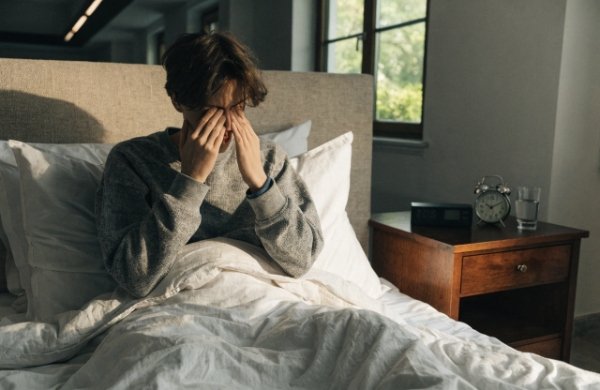 Tired person waking up after sleeping with lights on
The Real Impact on Your Body
I remember helping a wholesaler in Brazil. His customers kept returning LED strips because families reported restless nights. We looked at the color temperatures10 together and found most were above 5000K.
Blue light tricks your brain into thinking it is daytime. This blocks the hormone that helps you sleep. Even low brightness11 can affect you if the light contains a lot of blue wavelengths.
Common Daily Effects
Many people notice they take longer to fall asleep. They wake up more during the night. The next day they feel tired and less focused. Over weeks, this adds up to constant fatigue5 and sometimes headaches.
At Chocolamp we test different strips in our factories. We see that high blue light2 options create more discomfort during long exposure.
Effects on Children and Adults
Kids are especially sensitive. Their developing eyes and brains react stronger to blue light2. Adults who work late also suffer when they keep strips on for comfort.
Here is a simple list of what happens:
- Reduced melatonin3 levels
- Delayed sleep start
- Less deep sleep stages
- Increased eye strain6
- Morning grogginess
We recommend checking your current strips. Many buyers from Poland and Spain now choose our warm options after seeing the difference.
For more on eye-friendly choices, read our guide: Which LED Light Color Is Best for Your Eyes in 2026.
The Hidden Dangers of Leaving LED Strip Lights On All Night
You leave the LED strips on for safety or ambiance. You assume low light is harmless. But hidden issues build up while you sleep.
Leaving standard LED strip lights1 on all night exposes you to blue light2, potential overheating, and electromagnetic fields. These factors disrupt circadian rhythms12, suppress melatonin3, and may contribute to long-term eye strain6 and poorer health.
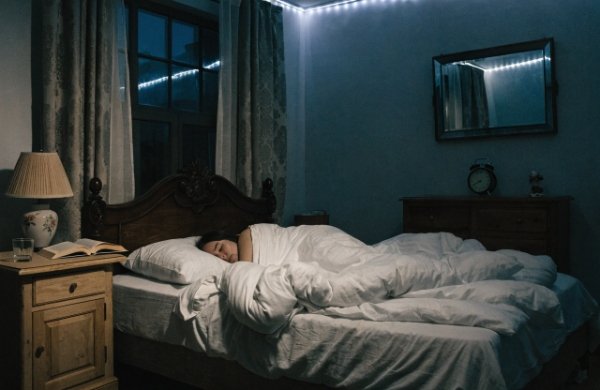 [LED strip lights](https://bettersleep.org/blog/the-negative-effects-of-using-led-and-blue-lights-at-night/)1 glowing on bedroom wall at night
Blue Light Is the Main Culprit
Cool white strips contain high blue content. This light keeps your brain alert when it should wind down. Studies in 2026 confirm even dim blue-rich light affects sleep hormones.
I once spoke with a retailer in Mexico. He used bright strips for display. His own family started having sleep issues. Switching to lower Kelvin fixed it quickly.
Other Risks to Consider
Strips can get warm if left on for hours. Poor quality ones may have safety concerns13. Constant light also affects your natural body clock.
Here is a quick comparison table:
| Risk Factor | Cool White Strips | Warm White / Amber Strips |
|---|---|---|
| Melatonin Suppression | High | Very Low |
| Sleep Disruption | Strong | Minimal |
| Eye Strain | Common | Rare |
| Overheating Risk | Higher with cheap models | Lower |
| Long-term Comfort | Poor | Excellent |
This table helps our partners explain benefits to end customers.
Many small importers now mix our safe strips with other products. They report fewer returns and happier buyers. Learn more about our night lighting14 range on www.chocolamp.com.
How to Safely Use LED Strip Lights at Night – A Practical 2026 Guide
You want some light at night but do not want to harm your sleep. You need simple steps that actually work.
Use warm white15 or amber LED strip lights1 at very low brightness11. Set a timer to turn them off or dim further after you fall asleep. Keep strips away from direct eye level and choose certified safe products.
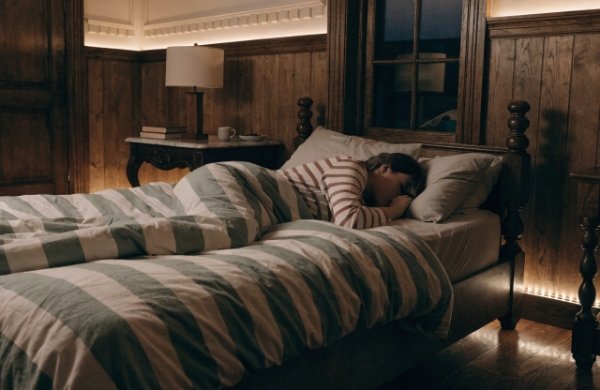 Dim warm [LED strip lights](https://bettersleep.org/blog/the-negative-effects-of-using-led-and-blue-lights-at-night/)1 in a calm bedroom
Step-by-Step Best Practices
First, check the color temperature. Stay under 3000K. I always tell clients from Turkey and Russia to start with samples.
Second, lower the brightness11 as much as possible while keeping enough visibility for safety.
Third, use timers or smart controls. Let the lights fade out automatically.
Fourth, position strips indirectly. Avoid shining them toward your bed or eyes.
Fifth, combine with good habits. Reduce screen time before bed too.
Many buyers in Uzbekistan and Bulgaria follow this guide. They mix our strips into small orders and see positive feedback from stores.
For custom options, visit our OEM & customization page.
The Best LED Colors and Settings for Sleeping Without Harm
You search for the right settings. You want light that feels good without hurting your rest.
Warm white LEDs at 2700K–3000K or amber/red-toned strips are the best for sleeping. Use them at very low brightness11 with timers. They provide gentle visibility while protecting melatonin3 and supporting deep sleep.
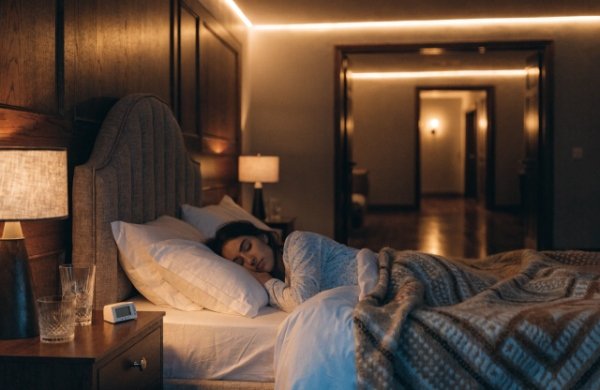 Cozy bedroom with warm amber [LED strip lights](https://bettersleep.org/blog/the-negative-effects-of-using-led-and-blue-lights-at-night/)1
Why These Colors Win
Warm tones match evening natural light. They contain almost no blue. Amber goes even further and helps your body prepare for rest.
I personally use dim amber strips in my own home. After busy days serving international clients, I fall asleep faster and wake up refreshed.
Recommended Settings
Keep brightness11 below 10-20% for night use. Set color to warm or red mode if your strips allow it. Turn off completely after one hour if possible.
Here are key benefits in a list:
- Better melatonin3 production
- Faster sleep onset8
- Deeper sleep stages
- Reduced morning fatigue5
- Less eye discomfort
Our factories in Zhejiang and Guangdong produce these exact sleep-friendly16 strips. Wholesalers in Spain and Romania love them for their private label lines.
Explore our full collection of night lights and strips here: www.chocolamp.com/night-lights.
Ready to Fix Your Nighttime Lighting? Get Eye-Friendly Solutions Today
You now understand the risks and the better choices. You want reliable products that support good sleep.
Contact us today for warm white15 and amber LED strip lights1 designed for safe nighttime use. We offer flexible small-batch orders, custom packaging17, and fast 30-day delivery.
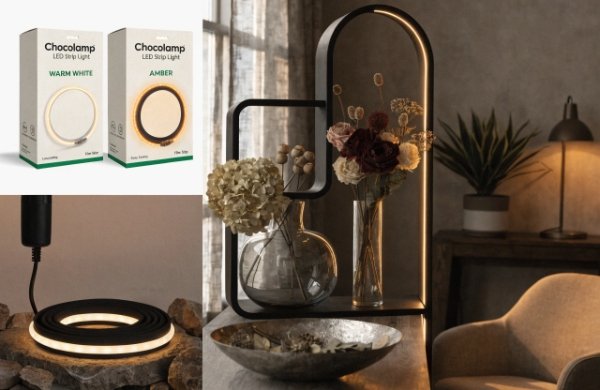 Chocolamp warm [LED strip lights](https://bettersleep.org/blog/the-negative-effects-of-using-led-and-blue-lights-at-night/)1 product display
I help buyers like you every day. Whether you need bulk orders for Europe or mixed shipments for South America, we make it simple and reliable. Check our wholesale lighting solutions for more details.
Conclusion
Sleeping with LED strip lights1 on might feel cozy, but it often does more harm than good. Choose warm white15 or amber tones, lower brightness11, and smart controls instead. In 2026, smarter lighting helps you enjoy better sleep and more energy. Your body will thank you.
Get Expert Advice on Sleep-Friendly LED Lighting – Free Guide
Shop Eye-Friendly Warm LED Strip Lights Now
Improve your sleep starting tonight.
FAQ
Is it really bad to sleep with LED strip lights1 on?
Yes, standard cool white or bright strips can suppress melatonin3 and disrupt sleep quality9. Warm or amber options7 at low brightness11 are much safer.
Which LED color is safest for sleeping?
Warm white (2700K–3000K) or amber/red tones are the safest. They contain minimal blue light2 and support your natural sleep cycle4.
Can LED strip lights1 cause eye damage or headaches?
Yes, especially cool white strips with high blue light2. They increase eye strain6 and headaches during prolonged nighttime exposure.
Does blue light2 from LEDs affect melatonin3 and sleep quality9?
Yes, blue light2 strongly suppresses melatonin3. This delays sleep and reduces deep sleep stages.
What brightness11 and color temperature should I use at night?
Use under 3000K at very low brightness11 (under 20%). Add a timer to turn lights off after you fall asleep.
Are there safe ways to keep some light on while sleeping?
Yes. Choose dim warm white15 or red strips, position them indirectly, and use automatic timers or dimmers for safety and comfort.
-
Explore how LED strip lights can impact your sleep quality and overall health. ↩ ↩ ↩ ↩ ↩ ↩ ↩ ↩ ↩ ↩ ↩ ↩ ↩ ↩
-
Learn about the science behind blue light and its effects on your sleep cycle. ↩ ↩ ↩ ↩ ↩ ↩ ↩ ↩ ↩
-
Understand the importance of melatonin for restful sleep and how to maintain its levels. ↩ ↩ ↩ ↩ ↩ ↩ ↩ ↩ ↩
-
Investigate how different types of light can disrupt or support your sleep cycle. ↩ ↩
-
Learn about the reasons behind morning fatigue and how to combat it. ↩ ↩ ↩ ↩
-
Learn about the connection between LED lights and eye strain, and how to mitigate it. ↩ ↩ ↩ ↩ ↩
-
Find out how amber lights can enhance your sleep quality and comfort. ↩ ↩
-
Discover factors that can delay your ability to fall asleep and how to address them. ↩ ↩
-
Explore various factors that can affect your sleep quality, including lighting. ↩ ↩ ↩
-
Get insights on the ideal color temperatures for promoting restful sleep. ↩
-
Learn about the recommended brightness levels for LED lights to ensure better sleep. ↩ ↩ ↩ ↩ ↩ ↩ ↩ ↩ ↩
-
Understand the impact of artificial light on your body's natural rhythms. ↩
-
Find out about potential safety issues related to using LED strip lights at night. ↩
-
Get tips on how to set up your night lighting for optimal sleep. ↩
-
Discover why warm white lights are recommended for a better night's sleep. ↩ ↩ ↩ ↩
-
Explore the characteristics of lights that promote a restful sleeping environment. ↩
-
Learn how custom packaging can enhance the appeal and functionality of lighting products. ↩

